Long Island in the 70s
On view in the LIM History Museum from May 14 through October 18, 2026
If you lived through the 1970s, you know the decade is about more than orange shag carpets, platform shoes, avocado-colored walls, oversized Detroit “land yachts,” and spinning the Grease soundtrack on vinyl. It is layered and complex. Across Long Island, social, political, and demographic shifts fuel cultural and artistic innovation, even as new questions and vulnerabilities emerge.
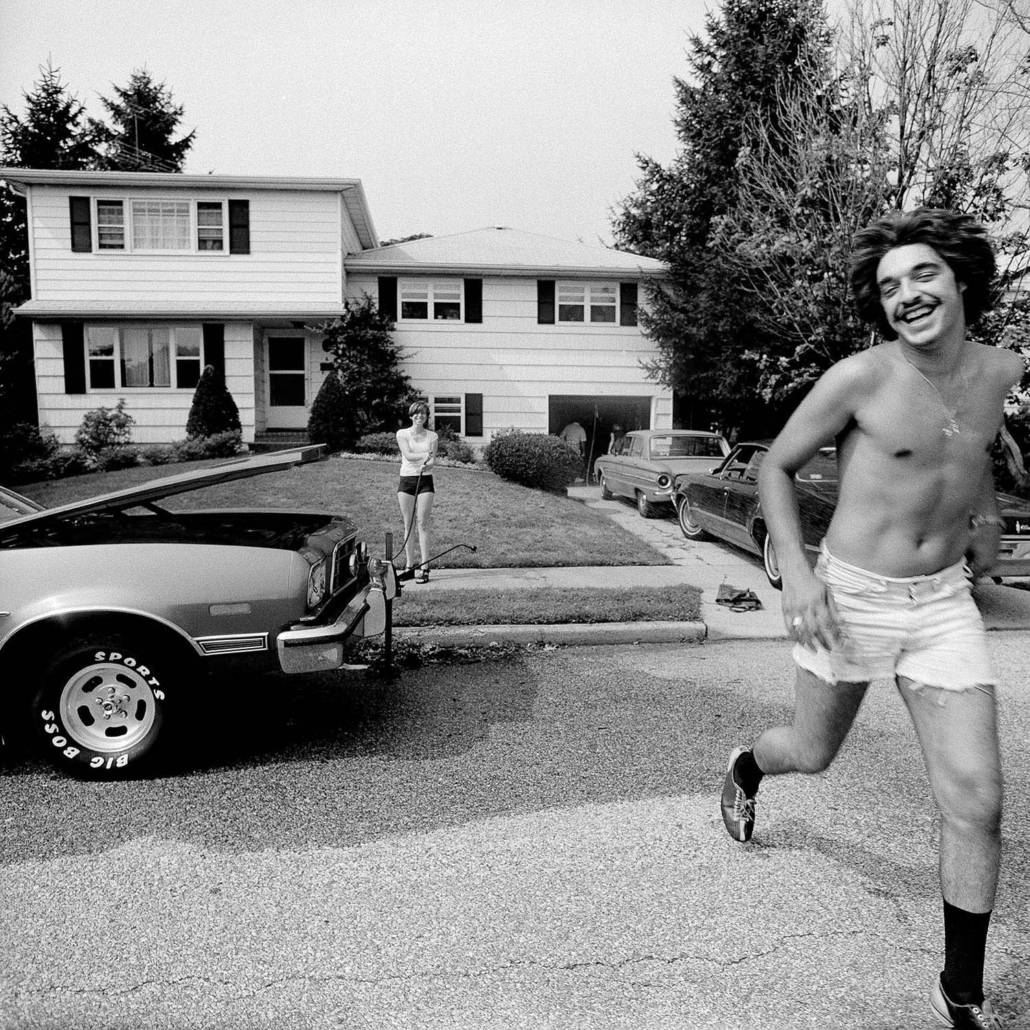
Long Island in the ’70s captures the energy, excitement, and challenges of this transformative era. The exhibition features fashions from LIM’s collection, a 1974 AMC Matador Station Wagon on loan from its original owner’s family, milestone toys and sports memorabilia, and artwork and photography reflecting the decade’s changes. As the postwar boom in Levittown and Nassau County slows, suburban growth moves east. Suffolk County’s population rises rapidly, especially in Huntington, Babylon, Islip, and Brookhaven, sparking environmental activism and legislation like the Suffolk County Farmland Preservation Act, as well as protests over the Shoreham Nuclear Power Plant. Meanwhile, Long Island develops a stronger regional identity, marked by the arrival of the New York Islanders in 1972 at Nassau Veterans Memorial Coliseum, and a growing influx of artists east of the Shinnecock Canal.
Building on LIM’s popular exhibitions on the 1950s and 1960s, this show brings together a wide range of art and artifacts—from clothing and paintings to photographs, music, and pop culture objects. Highlights include photography by Rick Kopstein, Meryl Meisler, and Joanne Mulberg. Visitors explore immersive displays, including a fully realized 1970s suburban living room, and a section on Long Island’s role in the United States Bicentennial—offering a vivid look at a decade that continues to shape life today.
Exhibition funding was provided, in part, by